My Qualifications as a Qualified Counsellor in Mablethorpe, East Lincolnshire
Finding the right person to support your emotional wellbeing is an important decision, and understanding their professional background can help you feel more confident about taking that first step. If you're looking for a qualified counsellor in Mablethorpe, East Lincolnshire, I believe you deserve to know about the training, knowledge and experience behind the support you receive.
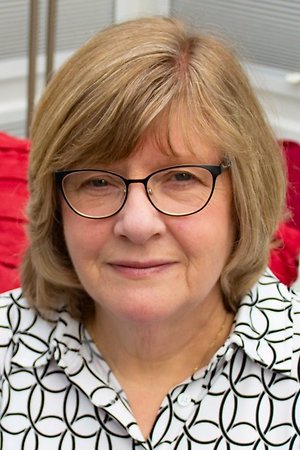
I'm Cheryl Robinson, and I hold a BSc (Hons) in Humanistic and Integrative Counselling & Psychotherapy, a Diploma in Couples Therapy from the Sherwood Psychotherapy Training Institute (SPTI) in Nottingham, and an Advanced Certificate in Clinical Supervision. I'm also a member of the British Association for Counselling and Psychotherapy (BACP).
My professional training informs the way I work with individuals, couples and fellow practitioners, helping me offer a thoughtful, supportive and non-judgemental environment.
My Professional Qualifications and Training
Professional education provides an important foundation for ethical, informed and responsible practice. My academic background combines an understanding of emotional wellbeing, human relationships and different approaches to psychological support.
BSc (Hons) in Humanistic and Integrative Counselling & Psychotherapy
I hold a BSc (Hons) in Humanistic and Integrative Counselling & Psychotherapy.
This academic background informs my understanding of how people experience emotional difficulties, develop relationships and respond to challenging circumstances.
A humanistic approach recognises each person as an individual, with their own experiences, values and understanding of the world. Rather than assuming there is one solution for everyone, it places importance on understanding your particular circumstances.
The integrative element draws upon different therapeutic perspectives, allowing our work to consider your needs and experiences without relying on a rigid, one-size-fits-all approach.
For you, this means having space to explore what matters most, with professional knowledge supporting a personal and collaborative process.
Diploma in Couples Therapy – Sherwood Psychotherapy Training Institute (SPTI)
I hold a Diploma in Couples Therapy, attained at the Sherwood Psychotherapy Training Institute (SPTI) in Nottingham.
This specialist training complements my degree and supports my work with couples experiencing relationship difficulties, communication challenges, recurring disagreements and emotional disconnection.
In my work with couples, I aim to provide a balanced, non-judgemental environment where both partners feel heard and respected. Rather than taking sides or deciding who is right or wrong, I help you explore what may be happening within your relationship, understand each other's perspectives and consider different ways of moving forward.
My additional training allows me to offer informed, compassionate support to couples at different stages of their relationship, whether they are working through particular difficulties or hoping to strengthen their connection.
Advanced Certificate in Clinical Supervision
Alongside my academic training, I hold an Advanced Certificate in Clinical Supervision.
This additional professional training supports my work with practising counsellors, providing a dedicated space to reflect on client relationships, ethical responsibilities, professional challenges and ongoing development.
Clinical supervision involves considering the complexities of therapeutic work, recognising professional boundaries and exploring situations that may benefit from another perspective.
My background in this area also reflects the importance I place on reflective practice, professional responsibility and continued learning.
My Membership of the British Association for Counselling and Psychotherapy
I am a member of the British Association for Counselling and Psychotherapy (BACP), a recognised professional body representing practitioners across the UK.
The BACP promotes professional standards, ethical practice and public understanding of talking therapies.
Its Ethical Framework provides guidance on important responsibilities, including:
- Respecting clients' dignity and autonomy
- Maintaining appropriate professional boundaries
- Protecting confidentiality within relevant ethical and legal limits
- Working within professional competence
- Supporting client wellbeing and avoiding harm
- Reflecting on practice and maintaining professional standards
Being part of a recognised professional association is an important aspect of my professional identity.
If you would like to understand the standards that guide members, you can read more about the BACP Ethical Framework.
How My Training Shapes the Way I Work With You
Professional credentials are important, but so is how that knowledge translates into your experience during a session.
My humanistic and integrative background places particular emphasis on understanding you as an individual rather than defining you solely by the difficulties you may be experiencing.
Putting My Professional Knowledge Into Practice Since 2019
I established my private practice in 2019 and have worked with adults and couples experiencing a wide range of personal, emotional and relationship difficulties.
My experience includes supporting people through anxiety, stress, bereavement, low mood, relationship challenges and significant life changes.
Working with different people and circumstances has reinforced the importance of listening carefully, respecting individual experiences and recognising that no two therapeutic relationships are the same.
Alongside my work with individuals and couples, I provide professional supervision to practising counsellors.
These different areas of practice allow me to draw upon my academic background, practical experience and ongoing professional reflection.
The Importance of Professional Standards and Continued Development
Completing formal training is an important milestone, but responsible practice involves more than obtaining certificates.
The field of mental health continues to develop, and practitioners have a responsibility to remain aware of professional guidance, ethical considerations and the limits of their competence.
My work is informed by the importance of:
- Ethical responsibility: Respecting professional standards and making thoughtful decisions.
- Confidentiality: Providing a private setting while being clear about relevant safeguarding and legal responsibilities.
- Professional boundaries: Maintaining a relationship centred on your wellbeing and therapeutic needs.
- Reflective practice: Recognising the importance of considering professional decisions and responses.
- Individual respect: Acknowledging your experiences, beliefs and personal circumstances without judgement.
These principles help provide a professional foundation for the support I offer.
Frequently Asked Questions
Finding the right person is about more than professional training. It's also important that you feel comfortable, understood and able to speak openly. I encourage you to attend an initial session so we can get to know one another and you can decide whether my approach feels right for you. There is no pressure to commit to further appointments.
It means I recognise that everyone is different, and there isn't one approach that suits every person. My training allows me to draw upon different therapeutic perspectives while keeping your individual experiences, feelings and needs at the centre of our work. Rather than following a fixed formula, we can explore what matters most to you.
No. My role isn't to make decisions for you or tell you how to live your life. Instead, I provide a supportive space where we can explore your thoughts, feelings and experiences together.
My professional training and life experience also enable me to offer fresh insights into what might be happening for you, helping you see your difficulties from different perspectives.
My aim is to help you develop a clearer understanding of your circumstances, explore your options and make decisions that feel right for you.
Yes, you're welcome to get in touch even if previous experiences haven't been helpful. Sometimes the approach, timing or relationship with a practitioner may not have felt right. We can discuss what you found difficult previously and what you might need from our sessions. There's no expectation that you should feel comfortable straight away.
I take my professional responsibilities seriously and aim to provide a private, respectful environment where you can speak openly. My work is informed by the ethical principles promoted by the BACP, including confidentiality, appropriate boundaries and respect for your autonomy. I'll explain the relevant confidentiality arrangements and their limits so you understand what to expect.
Yes. You don't need to know which approach would suit you before getting in touch. People seek support for many different reasons, from immediate emotional difficulties to longstanding experiences or recurring patterns. During an initial appointment, we can explore what has brought you here and discuss how I may be able to support you.
Not necessarily. Although past experiences can sometimes help us understand present feelings or behaviours, you won't be expected to discuss anything before you feel ready. My approach is collaborative, and we can focus on what's important to you, whether that's something happening now or an experience from earlier in your life.
Feel Confident About Who You Choose to Speak To
Choosing a counsellor involves more than checking academic credentials. You also need to feel comfortable with the person you're speaking to and confident that their approach is appropriate for your needs.
If you would like to ask about my experience or arrange an initial appointment, you're welcome to get in touch. There is no expectation to commit to ongoing sessions before deciding whether my approach feels right for you.
© Cheryl Robinson
powered by WebHealer